Common Electrical Faults Found in Older Auckland Homes
Emergency Electrician
ELECTRICIANS
Sparky G ltd
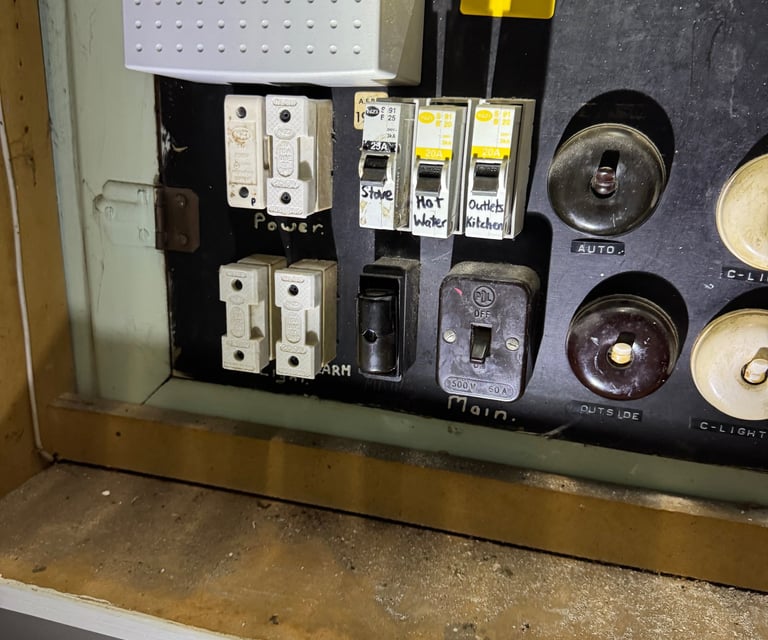
Older Auckland homes have character, charm, and history. However, many properties built before the 1980s still contain aging electrical systems that may no longer meet the demands of modern households.
At Sparky G Ltd, we regularly carry out electrical inspections and fault-finding work across Auckland and frequently discover issues that can affect safety, reliability, and energy efficiency.
This guide explains the most common electrical faults found in older Auckland homes and what homeowners can do to prevent costly repairs or dangerous situations.
Why Are Older Auckland Homes More Prone to Electrical Faults?
Many older homes were designed before modern electrical appliances became common. Air conditioners, heat pumps, EV chargers, induction cooktops, computers, and entertainment systems place significantly higher demands on electrical installations than they did decades ago.
Over time, wiring, switchboards, outlets, and connections can deteriorate, increasing the likelihood of electrical faults.
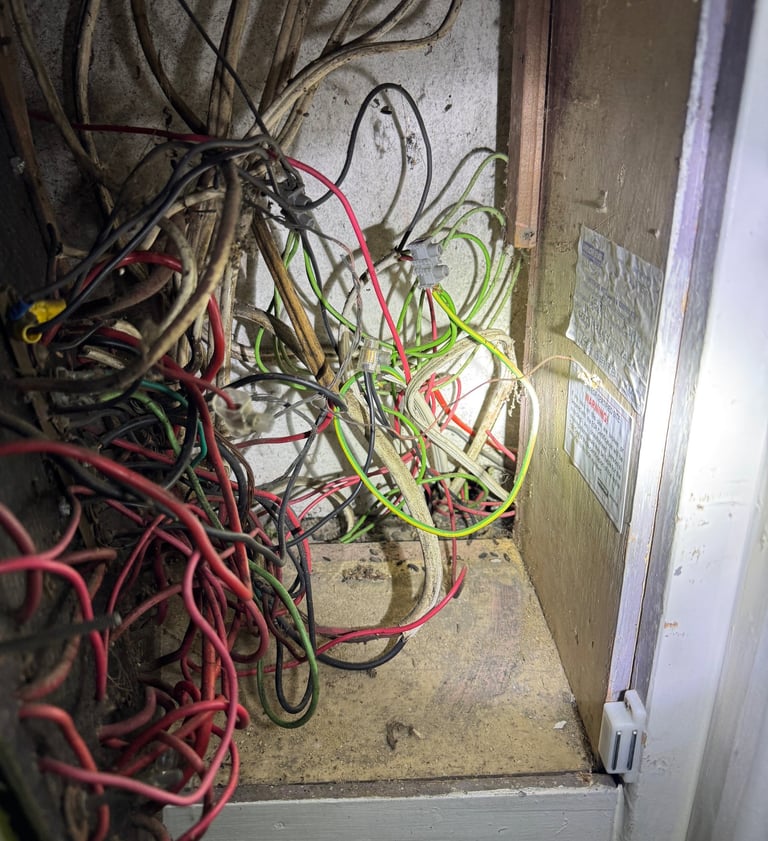
Deteriorated or Aging Electrical Wiring
One of the most common issues found in older Auckland homes is aging wiring insulation.
Signs of deteriorating wiring include:
Flickering lights
Burning smells
Frequent circuit breaker trips
Cracked insulation
Discoloured cables
As insulation ages, it can become brittle and lose its protective properties, creating potential shock and fire hazards.
Prevention
Schedule a professional electrical inspection if your property is more than 30 years old or if you are planning renovations.
Overloaded Circuits
Many older homes were wired when households used fewer electrical appliances.
Today, multiple heaters, kitchen appliances, chargers, and entertainment systems may be connected to circuits that were never designed for such loads.
Signs include:
Warm power points
Repeated circuit breaker tripping
Lights dimming when appliances operate
Extension cords used permanently
Prevention
Additional circuits or switchboard upgrades may be required to safely support modern electrical demands.
Why Do Older Auckland Homes Have Electrical Risks?
Older electrical infrastructure wasn't designed for the way we live today. The most common hazards stem from four main areas:
Outdated Switchboards & Fuse Systems: Older ceramic fuse systems respond slowly to electrical faults. Modern switchboards use Miniature Circuit Breakers (MCBs) and Residual Current Devices (RCDs) that disconnect power instantly during an overload, drastically reducing the risk of fire and shock.
Increased Appliance Demand: Original circuits were built for a few lights and a radio. Today, they are overloaded by heat pumps, EV chargers, and high-powered entertainment systems, leading to overheating and frequent breaker trips.
Auckland’s Damp Climate: According to Building Performance New Zealand, moisture management is critical for electrical safety. Auckland’s high humidity and coastal air can cause moisture to enter wall cavities and roof spaces, leading to rapid corrosion of electrical connections and short circuits.
Hidden DIY Work: Many older homes suffer from decades of undocumented, non-compliant DIY electrical modifications. These sub-standard connections often remain hidden behind walls until a dangerous failure occurs.
Frequently Asked Questions (People Also Ask)
What are the warning signs of faulty wiring in a house?
If you notice any of the following warning signs in your home, you should contact a licensed electrician immediately:
Flickering lights (indicates loose or degraded wiring)
Burning smells near appliances or walls (suggests overheating components)
Warm or discoloured power points (signals internal damage or arcing)
Buzzing or crackling sounds from switches or the switchboard
Frequent tripping of circuit breakers or blown fuses
Why should I upgrade my old switchboard?
Upgrading to a modern switchboard improves safety by disconnecting power much faster during an overload or short circuit. It ensures your home can safely handle modern electrical loads, reduces the risk of electrical fires, and eliminates the hassle of replacing old ceramic fuse wires.
How does upgrading electrical wiring increase home value?
A modern, compliant electrical system increases property value because smart buyers prioritize safety and infrastructure. It eliminates the need for immediate, costly renovations for the buyer and makes passing building pre-purchase inspections seamless.
How often should an older home have an electrical inspection?
Older homes—especially those with original wiring or older switchboards—should undergo regular professional assessments. A licensed electrician can check load capacity, identify hidden DIY hazards, and ensure compliance with current New Zealand electrical standards.
Electrical faults are a leading cause of property damage in older homes. Taking proactive steps—like upgrading an outdated switchboard or booking a professional safety assessment—protects your family, reduces emergency call-out costs, and future-proofs your investment.
Round‑the‑Clock Support Team You Can Rely On 24/7 Week
Have a question or need assistance?
Open 24 Hr / 7
Monday-Sunday
Office hours: 7:30am-4pm Mon-Friday
Same Day Service
24 Hours Available ⏰
After Hours Electrician Weekends Electrician
📞 Ring Ring Ring on
Learn More 👉 Our Service Areas
North Shore Electrician
Auckland Central Electrician
West Auckland Electrician
East Auckland Electrician
South Auckland Electrician
Warkworth Electrician